
Defense.
Defense applications require equipment to meet the most demanding environmental conditions, from desert heat to arctic cold and high-altitude vibration. Field-deployable systems must remain operational under extreme thermal, humidity and shock profiles.
Sector overview.
Environmental qualification for defense systems
Defense equipment must perform reliably across the full operational envelope — extreme temperatures, vibration regimes, shock pulses, humidity, salt fog and electromagnetic environments. Test engineering for the defense sector centres on aligning product design with the qualification matrix demanded by the relevant procurement specification.
Typical scope of engagement
- Test plan and tailoring per MIL-STD-810H method/procedure selection
- Vibration and shock profile interpretation for the platform class
- EMI/EMC test campaign planning against MIL-STD-461 emissions and susceptibility limits
- Component-level screening per MIL-STD-202 environmental and mechanical test methods
- Avionics environmental sequence per RTCA DO-160 for airborne sub-systems
Outcome
A clear roadmap from prototype to qualified configuration: which standard clauses apply, what limit values to design against, which test sequence to follow, and how to interpret pass/fail criteria in the test report.
Equipment for this sector.
View all equipment →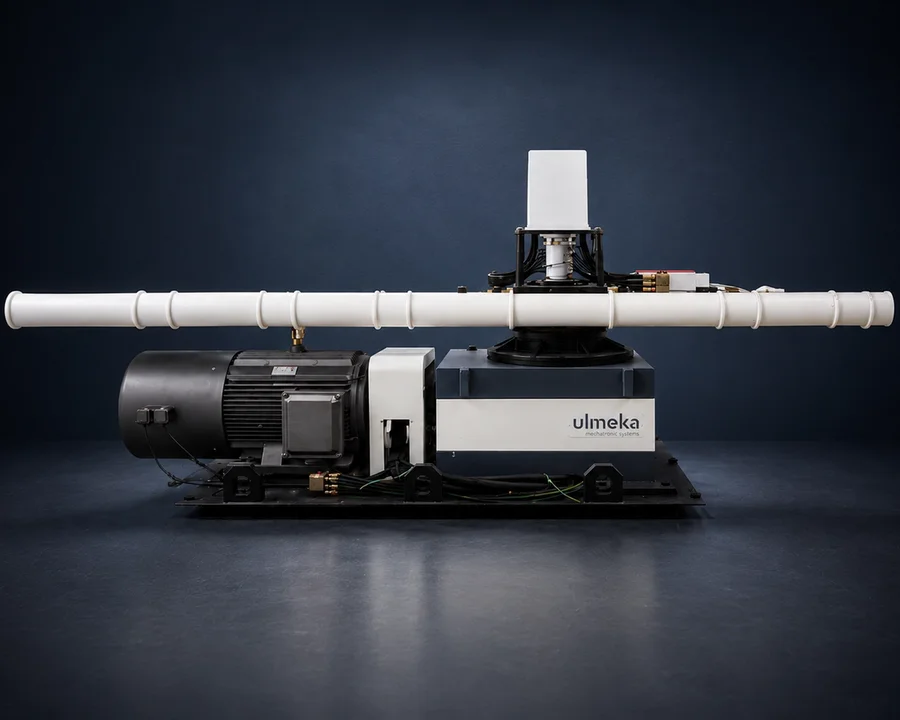
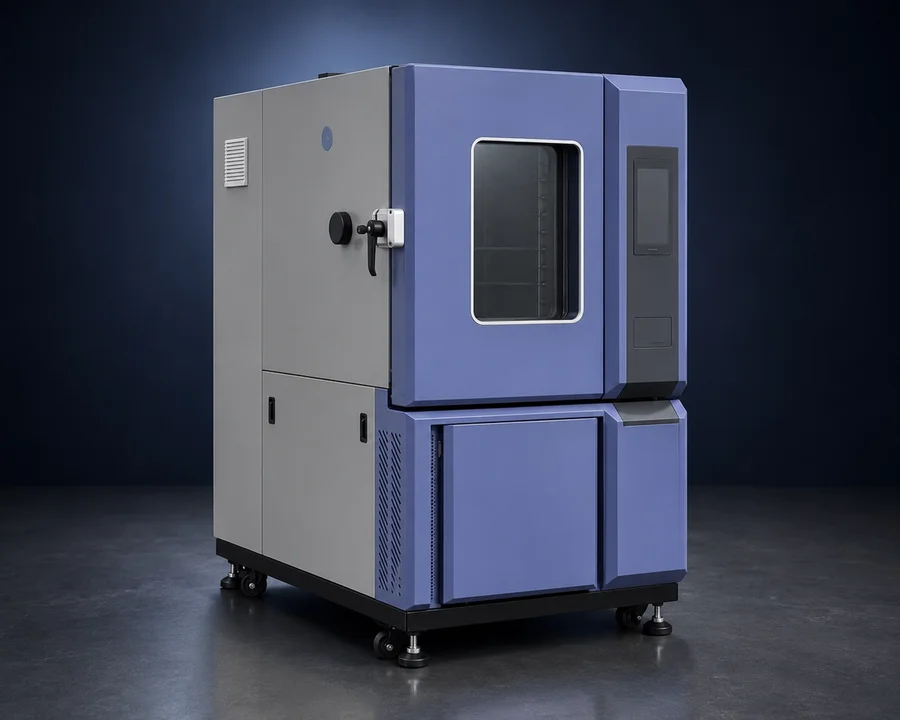
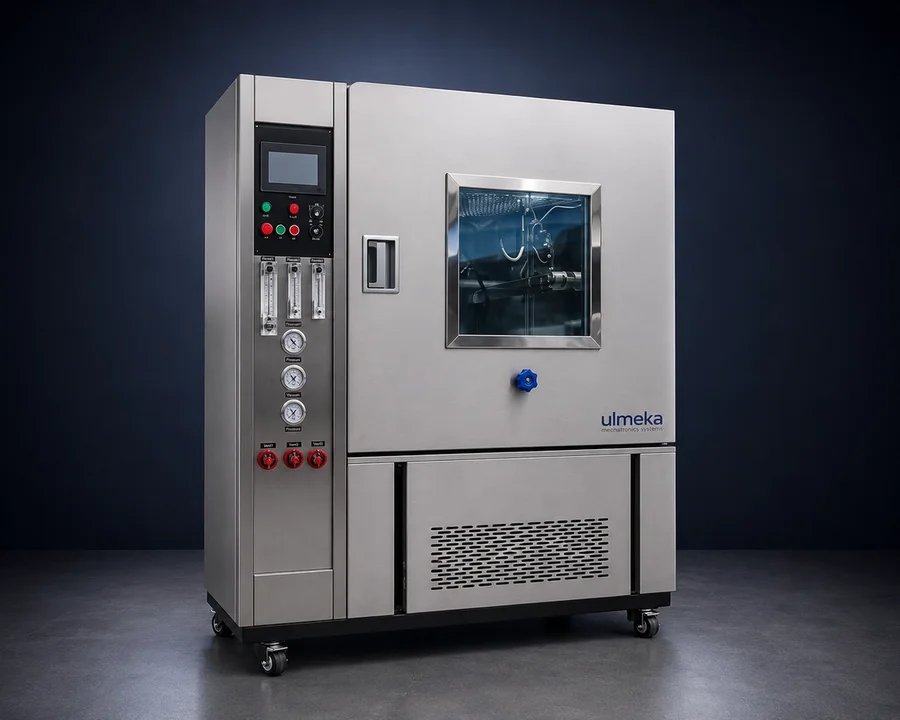
ULMEKA engineers test systems
to specification.
If your requirement is outside this catalogue — custom chamber sizes, combined-standard integration, or tailored test profiles — talk to our engineering team.