
IEC 61215.
IEC 61215 defines the design qualification and type approval sequence for terrestrial PV modules suitable for long-term operation in general open-air climates. The Module Qualification Tests (MQT) span thermal cycling, humidity-freeze, UV exposure, mechanical load, hot-spot endurance and more.
About this standard.
About IEC 61215
IEC 61215 is the international qualification standard for crystalline-silicon and thin-film photovoltaic modules intended for terrestrial use. Modules that complete the test sequence successfully are considered to have a reasonable expectation of operating reliably for 20+ years in typical open-air climates.
Module Qualification Test (MQT) sequence overview
- MQT 01 — Visual inspection
- MQT 02 — Maximum power determination
- MQT 03 — Insulation test
- MQT 04 — Measurement of temperature coefficients
- MQT 06 — Performance at STC and NMOT
- MQT 09 — Hot-spot endurance test
- MQT 10 — UV preconditioning
- MQT 11 — Thermal cycling (200 cycles)
- MQT 12 — Humidity-freeze (10 cycles)
- MQT 13 — Damp heat (1000 hours, 85 °C / 85 % RH)
- MQT 16 — Static mechanical load test
- MQT 17 — Hail test
- MQT 19 — Stabilisation
Related standards
IEC 61215 is typically paired with IEC 61730 (PV module safety) and IEC TS 62782 (dynamic mechanical load). IEC 60068-2 environmental sub-tests provide the underlying environmental conditioning methods.
Test methods.
Equipment for this standard.
View all equipment →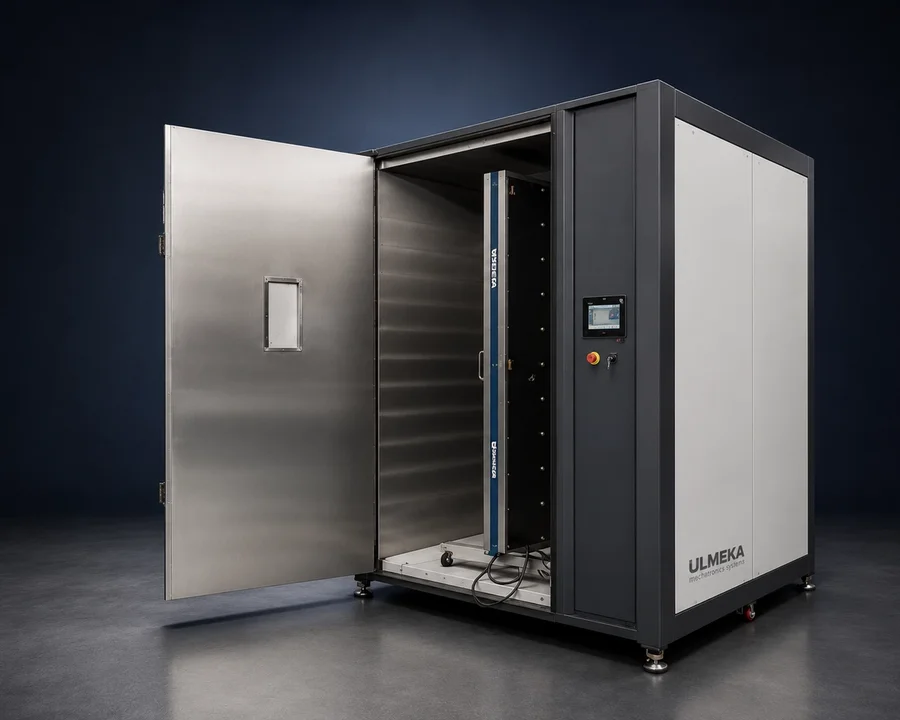
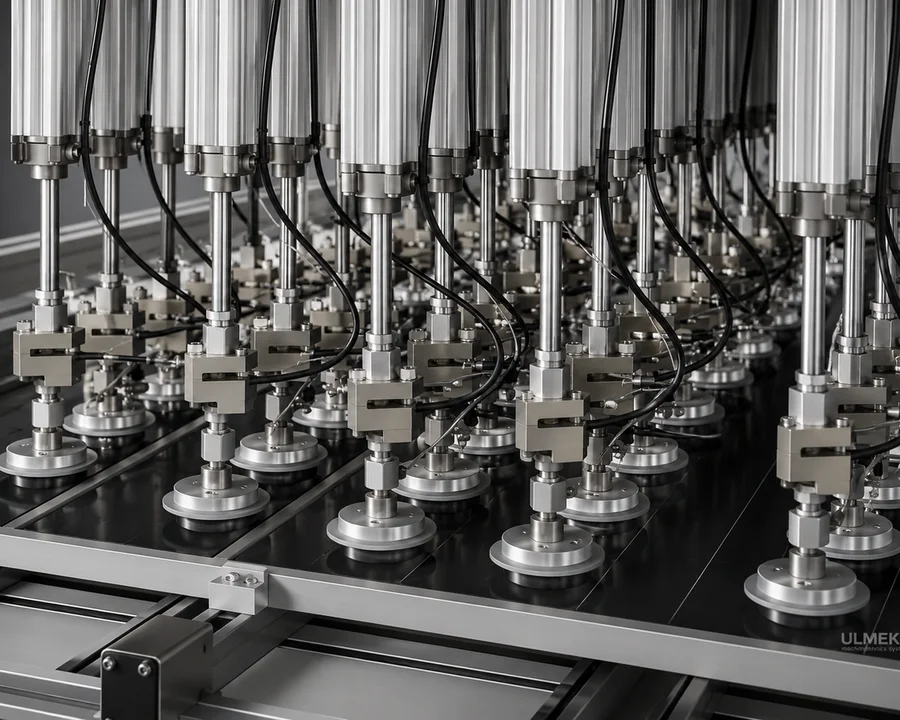
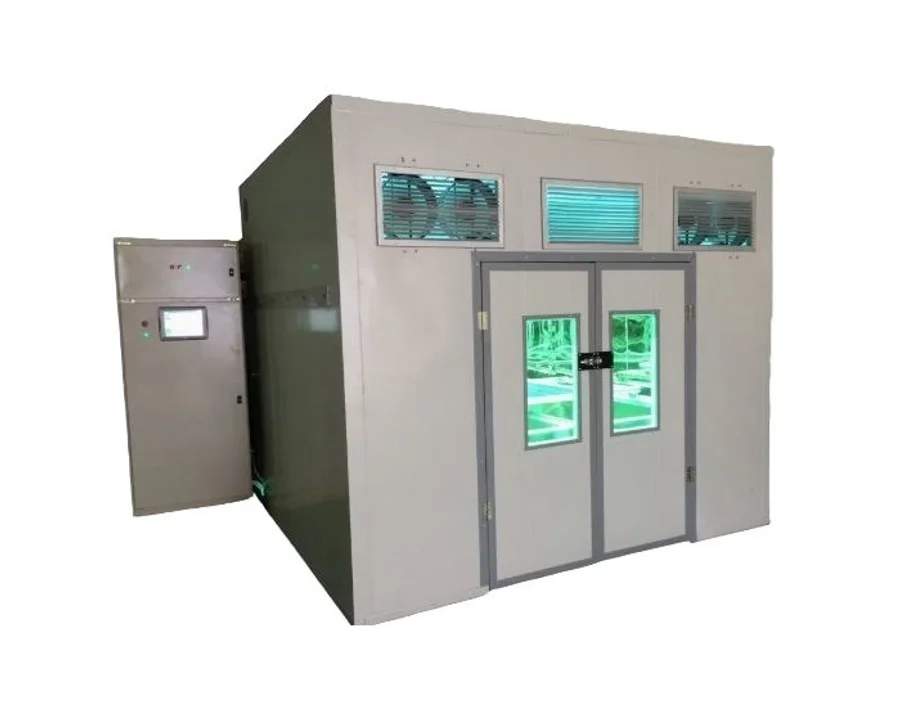
ULMEKA engineers test systems
to specification.
If your requirement is outside this catalogue — custom chamber sizes, combined-standard integration, or tailored test profiles — talk to our engineering team.