
IEC 61032.
IEC 61032 defines the standard test probes (jointed test fingers, rigid probes and wires) used together with IEC 60529 to verify protection against access to hazardous parts and the ingress protection (IP) of enclosures.
About this standard.
Overview
IEC 61032 defines the standardised test probes used to verify the protection that an enclosure provides against access to hazardous parts and against the ingress of solid objects. It is the companion to IEC 60529 (the IP Code): where 60529 sets the protection grades, 61032 specifies the physical probes — jointed test fingers, rigid pins, wires and spheres — that put those grades to the test.
Each probe represents a body part or object that must be kept away from hazardous live or moving parts: a finger, a tool, a wire. By applying the correct probe with a defined force and checking that it cannot reach a hazardous part, a laboratory confirms an enclosure's claimed protection in a repeatable, internationally agreed way.
Scope & Applicability
IEC 61032 applies wherever a product's degree of protection has to be demonstrated — most commonly as part of IP-Code testing under IEC 60529, and as referenced by product-safety standards for appliances, luminaires and electrical equipment. The standard describes the geometry, dimensions, materials and application force of each probe so that results are consistent between laboratories, rather than describing the products being tested.
Because the probes are defined independently of any particular product, a single probe set serves testing across many sectors — from consumer electronics to industrial and outdoor equipment — wherever an IP rating or an access requirement has to be proven.
The Test Probes
The probes fall into two groups, matching the two access-related characteristics of the IP Code:
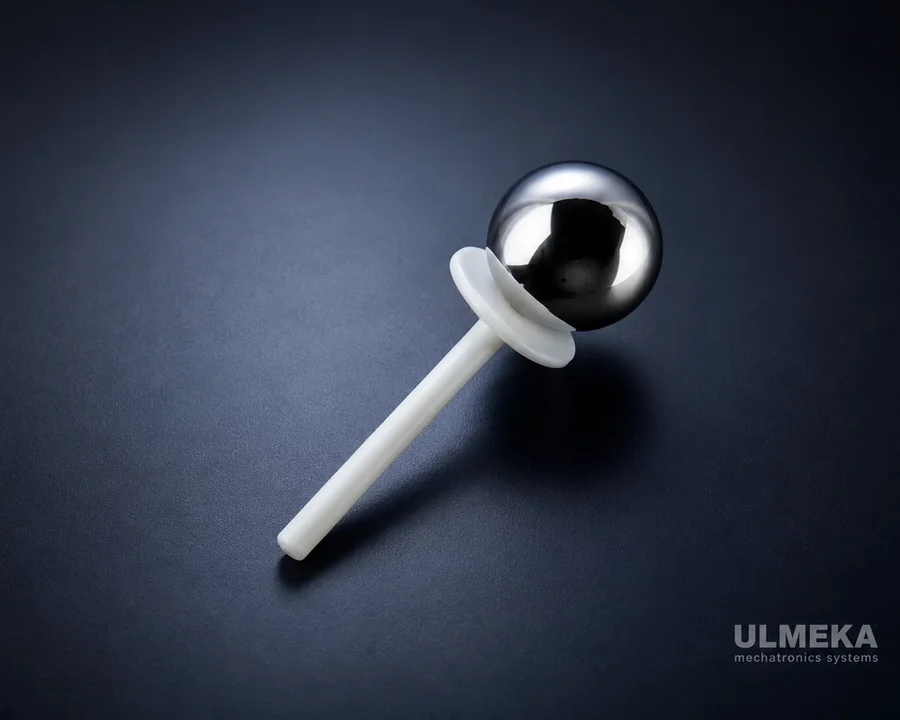
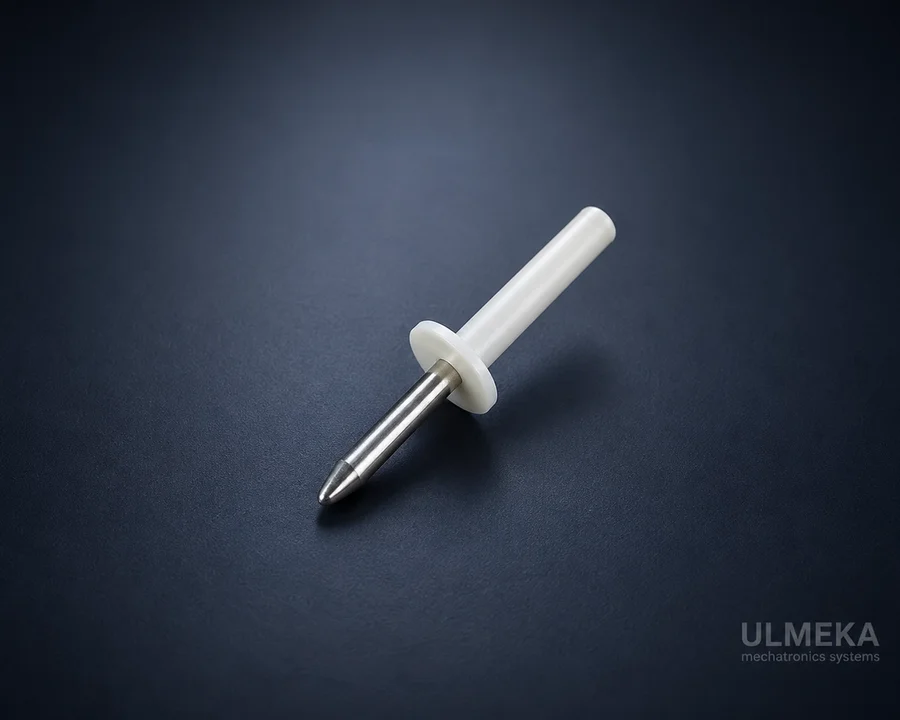
- Access probes (IPXXA–IPXXD) — the sphere, jointed test finger and rigid wires that verify protection against access to hazardous parts with the back of the hand, a finger, a tool and a wire respectively.
- Object probes (IP1X–IP4X) — the spheres and wires that verify protection against the ingress of solid foreign objects, from large bodies down to fine wires.
Each probe is applied with the force defined by the standard and, where relevant, connected to a signalling circuit that shows whether it has touched a hazardous part. The exact dimensions and forces are fixed by IEC 61032, which is what makes probes from different makers interchangeable.
Related Standards
IEC 61032 is almost always used together with IEC 60529, which defines the IP-Code protection grades that the probes verify. It is in turn referenced by many product-safety standards — for example those for household appliances, luminaires and information-technology equipment — whenever they call for an access or ingress check, so the same probes serve a wide range of compliance work.
Testing with ULMEKA
ULMEKA Mechatronics designs and manufactures the standardised access and object test probes specified by IEC 61032, built to the geometry and application forces the standard requires. The equipment below covers the probe set used alongside IP-Code testing; for a specific probe or test configuration, the requirements are confirmed at the proposal stage.
Test methods.
Equipment for this standard.
View all equipment →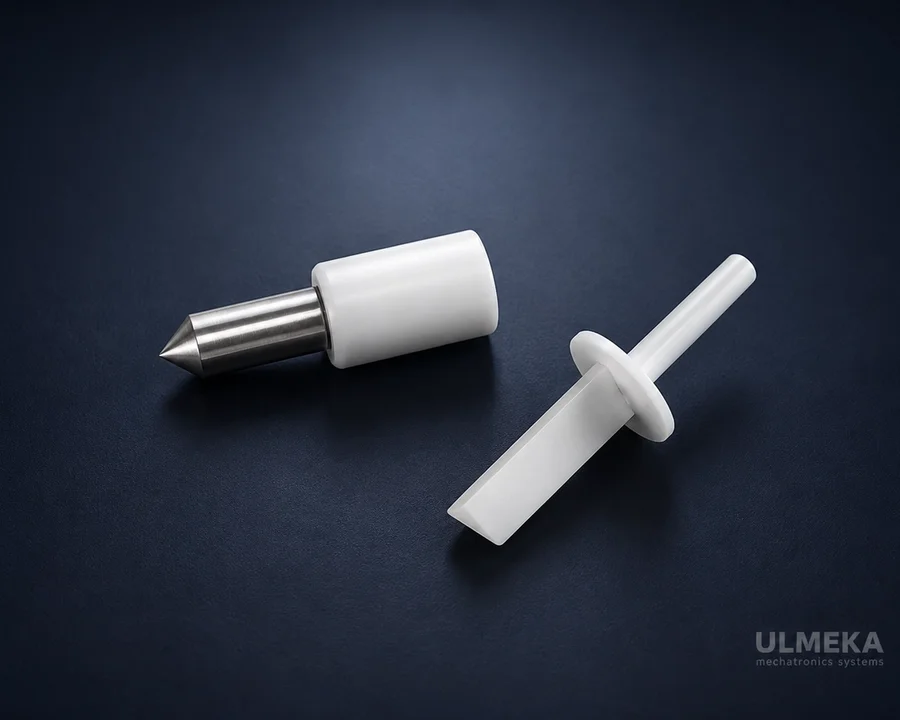
ULMEKA engineers test systems
to specification.
If your requirement is outside this catalogue — custom chamber sizes, combined-standard integration, or tailored test profiles — talk to our engineering team.