
EN 817.
EN 817 specifies general technical requirements for mechanical mixer taps, including endurance of the mixing mechanism, leak-tightness and pressure resistance.
About this standard.
Overview
EN 817 is the European Standard for sanitary tapware covering mechanical mixing valves operating at a nominal pressure of PN 10. Published by CEN, it sets the general technical requirements for single-control mixer taps — the lever or knob fittings that blend hot and cold water through one mechanical cartridge.
Because a mixer must stay watertight while it is constantly adjusted between hot, cold and mixed flow, EN 817 places particular emphasis on the endurance of the mixing mechanism alongside leak-tightness and pressure resistance. The aim is to confirm that the cartridge and seals keep working reliably across the many thousands of adjustments a mixer sees in service.
Scope & Applicability
EN 817 applies to manually operated mechanical mixer taps for sanitary use, where a single control sets both flow rate and temperature. It treats the mixer as a complete fitting and focuses on the parts that distinguish it from a simple tap: the mixing cartridge, the control mechanism and the seals that must contain both hot and cold supply under pressure. Simple single and combination taps without a mixing cartridge are covered by the companion standard EN 200.
Test Methods
Conformity combines the hydraulic checks common to all tapware with endurance testing focused on the mixing mechanism:
- Mixing-mechanism endurance — the control is cycled through its full range of movement for a large number of operations to confirm the cartridge and seals remain reliable after prolonged adjustment.
- Leak-tightness — the mixer is pressurised and held to confirm no leakage at seals, joints or the cartridge across open, closed and intermediate positions.
- Pressure resistance — the body and connections are subjected to elevated static pressure to verify mechanical integrity without deformation or failure.
The specific cycle counts, pressures and acceptance limits are defined by the standard, so the test rig is configured to the mixer design and the values it must satisfy.
Related Standards
EN 817 is the mechanical-mixer counterpart to EN 200, which covers single and combination taps; together they form the core of the CEN sanitary tapware family for manually operated fittings. Thermostatic mixers, which hold a set temperature automatically, are addressed by separate standards in the same family, so the operating principle of the fitting determines which document applies.
Testing with ULMEKA
ULMEKA Mechatronics designs and manufactures mixing-mechanism endurance rigs and leak-and-pressure test benches for sanitary mixer taps, configured to the cycle counts and pressures called for by EN 817. The equipment below is built to the relevant mixer design and test parameters; for a specific testing need, the requirements are confirmed at the proposal stage.
Test methods.
Equipment for this standard.
View all equipment →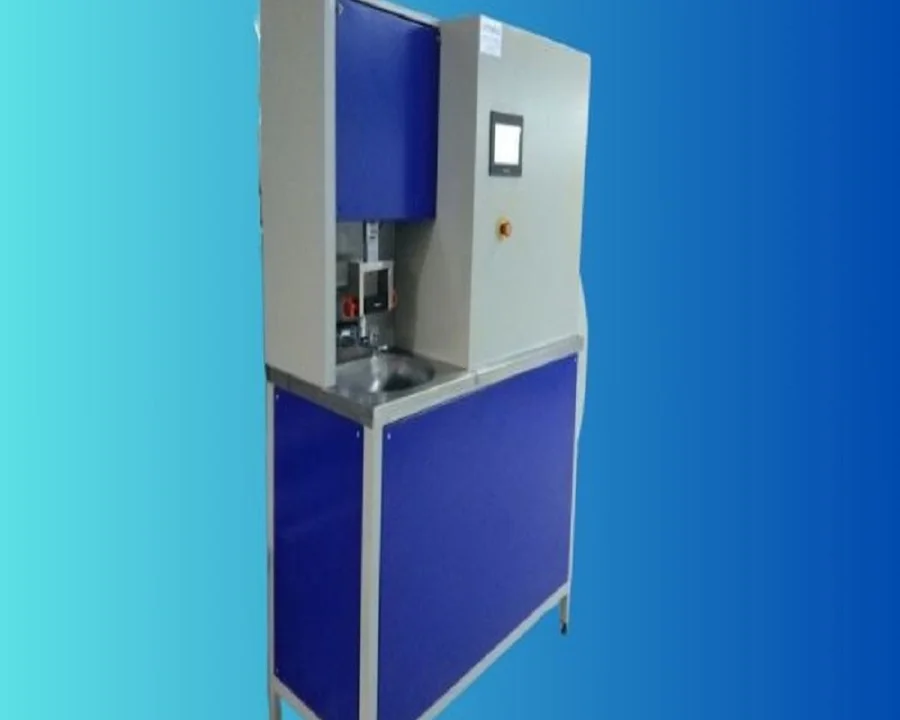
ULMEKA engineers test systems
to specification.
If your requirement is outside this catalogue — custom chamber sizes, combined-standard integration, or tailored test profiles — talk to our engineering team.