
MIL-STD-810H.
MIL-STD-810 is a United States Military Standard that defines environmental engineering considerations and laboratory test methods to determine the resistance of equipment to environmental stresses. The H revision is the current published version.
About this standard.
MIL-STD-810H Test Devices
The MIL-STD-810H standard encompasses a series of procedures designed to test the durability of military-grade equipment under extreme environmental conditions. Recognized globally, this standard ensures that equipment can perform reliably in harsh environments. Below is detailed information on MIL-STD-810H test devices and their applications.
Tests in the MIL-STD-810H Standard
1. Drop Test
Purpose: To evaluate whether materials maintain their structural integrity and functionality after a drop.
Device Used:
- Drop Tester: Materials are dropped from specific heights to measure their mechanical durability.
2. Vibration Test
Purpose: To assess the performance of materials exposed to continuous vibrations.
Device Used:
- Vibration Tester: Applies specific frequencies and amplitudes of vibration to materials or devices.
3. Temperature Resistance Test
Purpose: To test materials’ resilience to extreme temperature variations.
Device Used:
- Temperature and Humidity Chamber: Simulates environments with rapidly changing high and low temperatures.
4. Dust and Sand Test
Purpose: To evaluate the functionality of military equipment in dusty or sandy conditions.
Device Used:
- Dust and Sand Test Chamber: Subjects the equipment to fine dust and sand particles to observe performance.
5. Humidity and Condensation Test
Purpose: To test materials’ resistance to high humidity and corrosion.
Device Used:
- Humidity Test Chamber: Assesses the device’s ability to maintain functionality in humid conditions.
6. Low Pressure (High Altitude) Test
Purpose: To evaluate the performance of materials and devices in low-pressure environments.
Device Used:
- Low Pressure Tester: Simulates high-altitude conditions for testing.
7. Solar Radiation (UV) Test
Purpose: To test materials’ and devices’ resistance to prolonged exposure to sunlight, including color and physical durability changes.
Device Used:
- UV Tester: Exposes materials or devices to intense UV radiation to measure performance and durability.
8. Waterproof (IPX) Test
Purpose: To evaluate the water resistance of materials or devices and their compliance with IP classifications.
Device Used:
- Waterproof Testing Chamber: Subjects materials or devices to varying levels and pressures of water spray.
Testing Environments and Standards Compliance
Tests conducted in compliance with the MIL-STD-810H standard are performed in specially designed laboratories. These labs simulate environmental conditions to provide accurate results. Testing processes adhere to international standards such as IEC, ISO, and MIL-STD.
Importance of Test Devices
- Accurate Measurement: Modern test devices offer precise measurements of resilience to environmental changes.
- Enhanced Reliability: Tests improve the reliability of equipment in challenging conditions.
- Standards Compliance: Ensures products meet international standards for durability and functionality.
At ULMEKA Mechatronics Engineering LTD., we are committed to designing and manufacturing MIL-STD-810H (G) Test Devices and other IP testing devices with precision to meet your specific needs. Contact us for custom-sized test devices and machine automation systems tailored to your requirements.
Test methods.
Equipment for this standard.
View all equipment →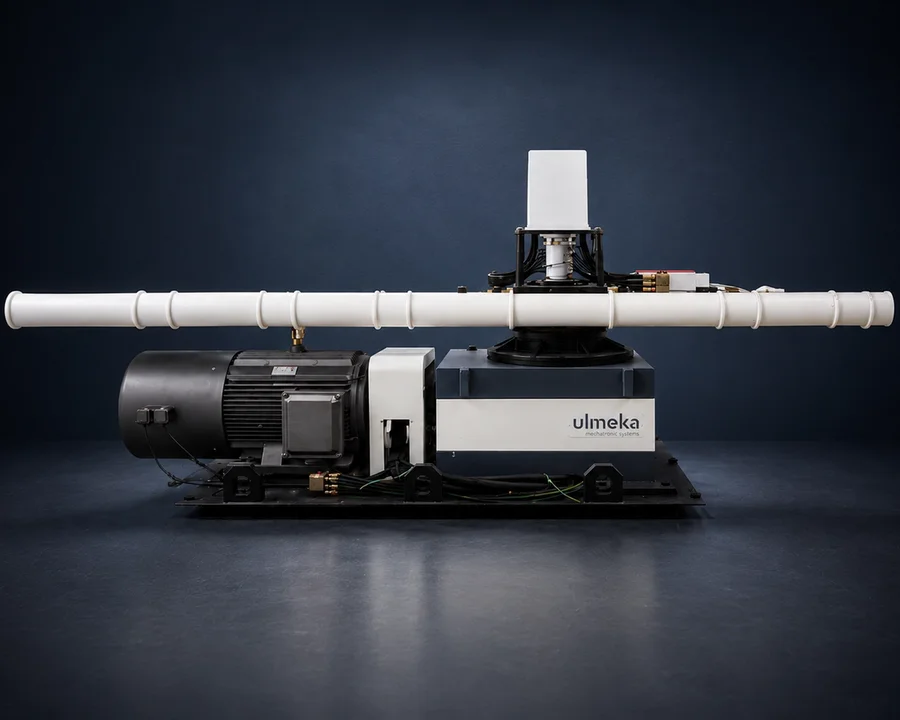
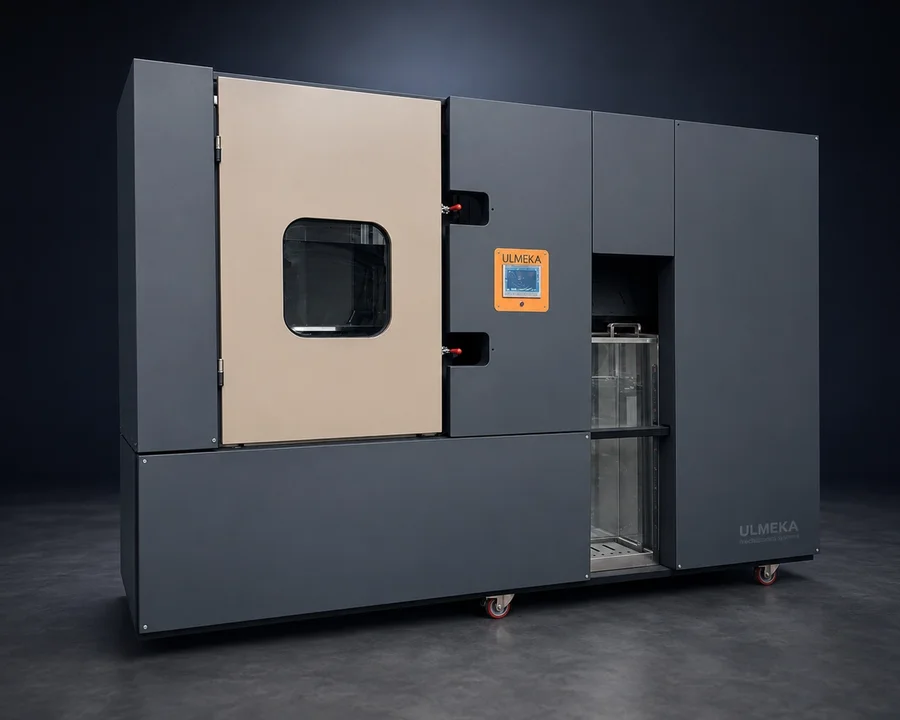
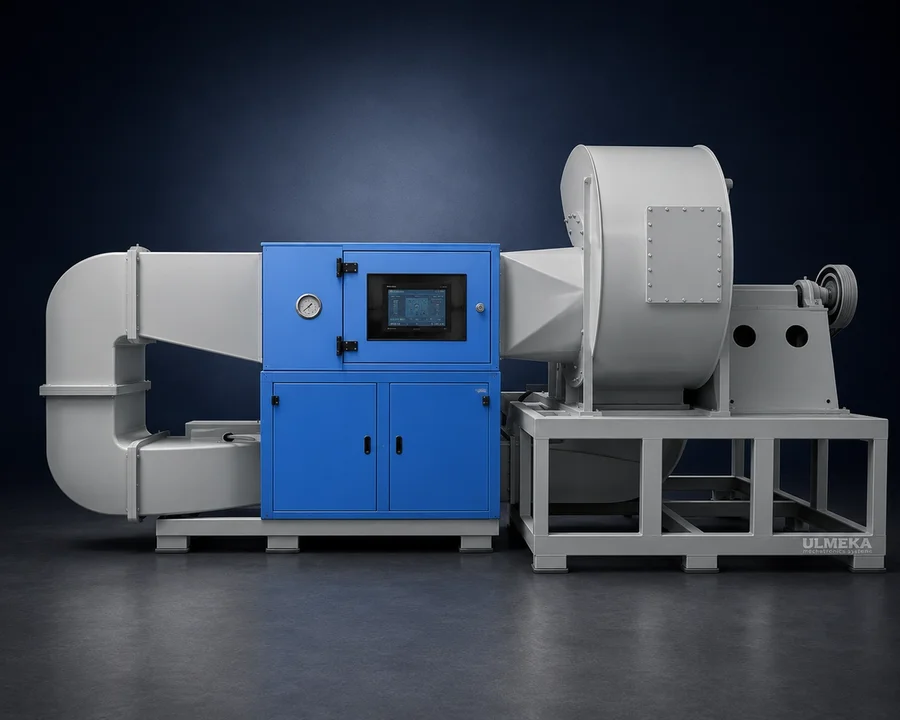
ULMEKA engineers test systems
to specification.
If your requirement is outside this catalogue — custom chamber sizes, combined-standard integration, or tailored test profiles — talk to our engineering team.