
IEC 62196.
IEC 62196 specifies requirements for plugs, socket-outlets, vehicle connectors and vehicle inlets used for conductive charging of electric vehicles, including dimensional interchangeability and mechanical endurance of the charging interface.
About this standard.
Overview
IEC 62196 is the international standard for the plugs, socket-outlets, connectors and inlets used to charge electric vehicles by a conductive (cable) connection. It defines the charging interface so that vehicles and charging stations from different manufacturers fit together safely and reliably, and is the reference behind the familiar AC and DC charging connector types.
As electric mobility has grown, the charging interface has become one of the most frequently used and most safety-critical connections on a vehicle. IEC 62196 addresses this by setting requirements for dimensional interchangeability, electrical contact, and the mechanical durability of the connector and its cable across many thousands of charging cycles.
Scope & Applicability
The standard applies to the connectors and inlets used for conductive charging of road electric vehicles, covering both AC charging from domestic and public supply points and high-power DC fast charging. It is organised in parts: a general part sets the common requirements, while further parts define the specific AC and DC connector configurations used in different regions and power levels.
IEC 62196 governs the charging interface itself — the plug, socket-outlet, vehicle connector and vehicle inlet — rather than the vehicle or the charging station as a whole, so it is the document a connector or charging-cable manufacturer works to when proving a design.
Test Methods
Verification focuses on the durability and integrity of the interface under realistic use:
- Mating endurance — the connector and inlet are repeatedly inserted and withdrawn for a large number of cycles to confirm that contacts and the locking mechanism stay reliable over the product's life.
- Cable flexing and bending — the attached cable and strain relief are flexed and bent to confirm they withstand the repeated handling a charging cable receives in service.
The required cycle counts, forces and acceptance criteria are defined by the standard, so the test rig is configured to the connector type and the power level it is rated for.
Related Standards
IEC 62196 defines the connector hardware that sits within the wider electric-vehicle charging framework, which also covers the charging communication and safety functions handled by other standards in the IEC 61851 series. Regional adoptions reference 62196 for the physical interface, so the connector geometry stays consistent even where charging protocols differ.
Testing with ULMEKA
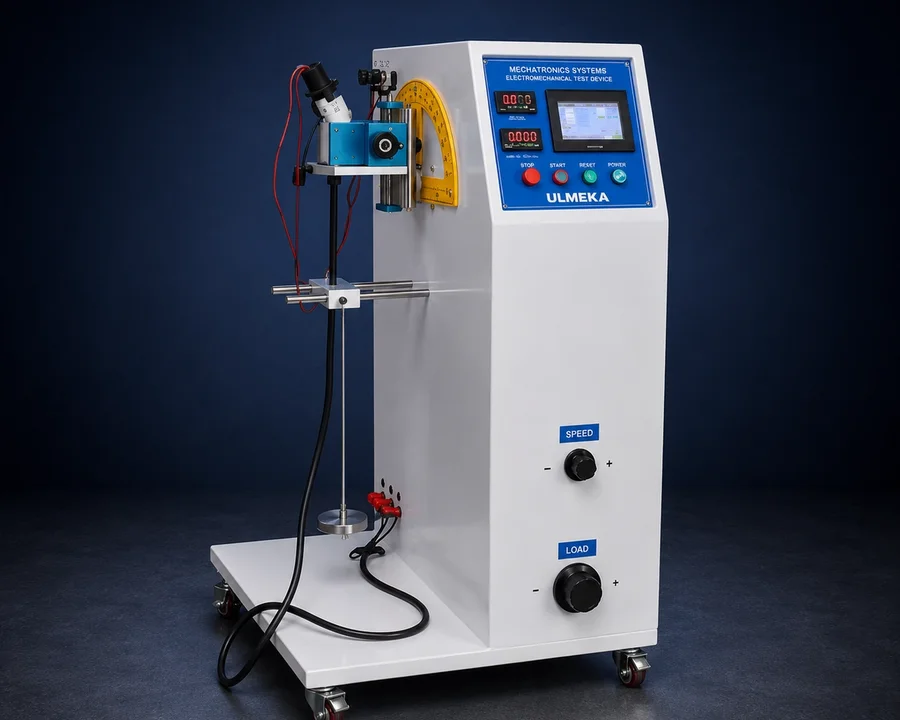
ULMEKA Mechatronics designs and manufactures mating-endurance and cable-flexing test rigs for electric-vehicle charging connectors, configured to the cycle counts and forces called for by IEC 62196. The equipment below is built to the relevant connector type and rating; for a specific testing need, the requirements are confirmed at the proposal stage.
Test methods.
Equipment for this standard.
View all equipment →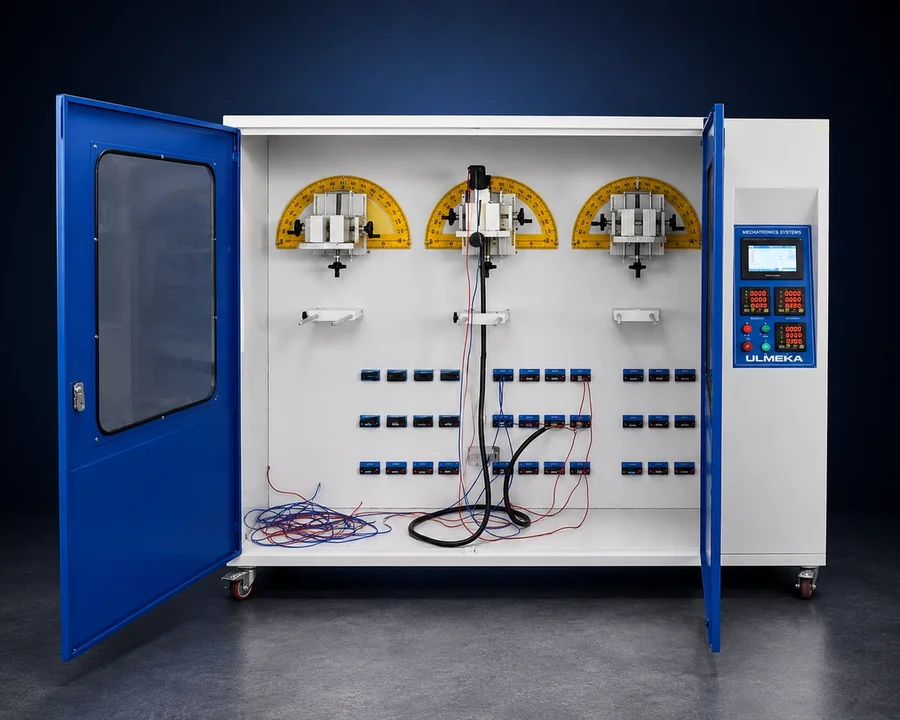
ULMEKA engineers test systems
to specification.
If your requirement is outside this catalogue — custom chamber sizes, combined-standard integration, or tailored test profiles — talk to our engineering team.