
IEC 60529.
IEC 60529 defines degrees of protection provided by enclosures (IP Code) against intrusion of solid foreign objects, dust, accidental contact and water. The standard publishes a two-digit rating system widely referenced for electrical equipment.
About this standard.
Overview
IEC 60529 defines the IP Code (Ingress Protection), an international classification for the degree of protection that enclosures of electrical equipment provide against the ingress of solid foreign objects (including dust) and water. An IP rating is written as two characteristic numerals — for example IP65 — where the first covers solids and dust and the second covers water. Published in Europe as EN 60529.
IP code structure
The first numeral rates protection against solid objects and dust (0–6); the second rates protection against water (0–9K). An unspecified numeral is replaced by "X" (e.g. IPX7).
First numeral — solids and dust:
- IP0X — No protection
- IP1X — Protected against solid objects ≥ 50 mm (e.g. back of the hand)
- IP2X — Protected against solid objects ≥ 12.5 mm (e.g. a finger)
- IP3X — Protected against solid objects ≥ 2.5 mm (e.g. tools, thick wires)
- IP4X — Protected against solid objects ≥ 1 mm (e.g. most wires and screws)
- IP5X — Dust-protected (limited ingress permitted, no harmful effect)
- IP6X — Dust-tight (no ingress of dust)
Second numeral — water:
- IPX0 — No protection
- IPX1 — Vertically dripping water
- IPX2 — Dripping water when tilted up to 15°
- IPX3 — Spraying water up to 60° from vertical
- IPX4 — Splashing water from any direction
- IPX5 — Water jets (6.3 mm nozzle)
- IPX6 — Powerful water jets (12.5 mm nozzle)
- IPX7 — Temporary immersion (1 m depth, 30 min)
- IPX8 — Continuous immersion under conditions agreed with the manufacturer
- IPX9K — Close-range, high-pressure, high-temperature water jets (~80 °C)
Test methods
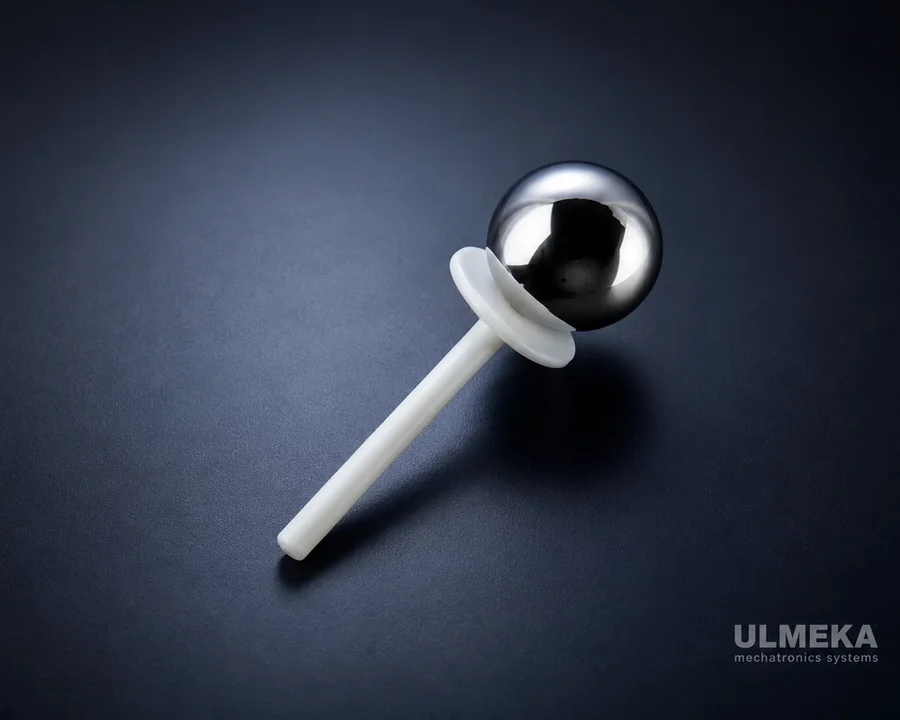
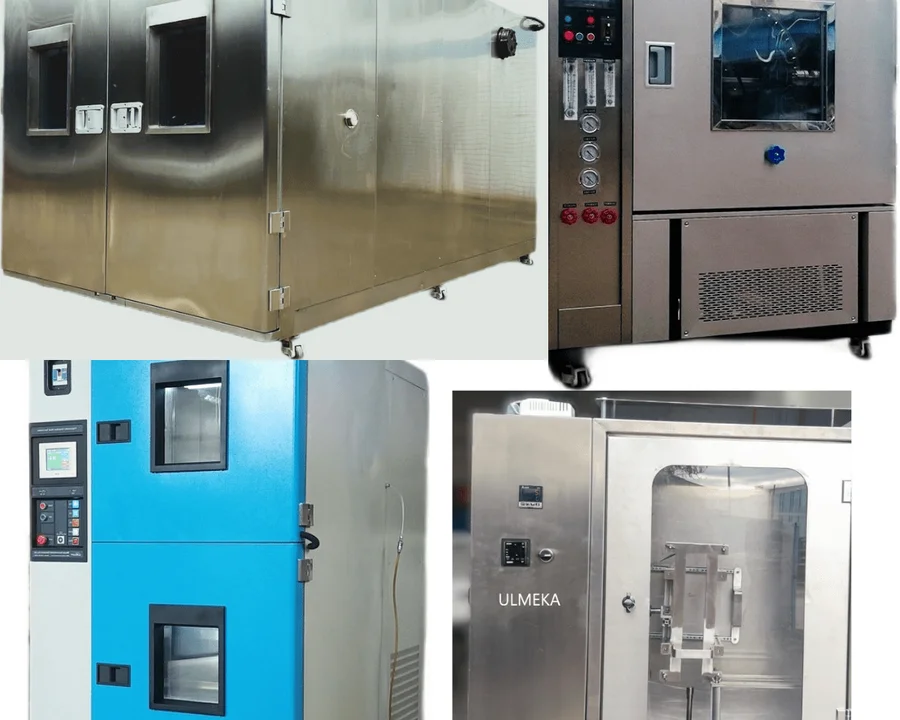
Solid-object protection (first numeral 1–4) is verified with standardized access probes — a rigid sphere, a jointed test finger, and test wires. Dust protection (5–6) is assessed in a dust chamber. Water protection uses the corresponding setup: a drip box for IPX1–IPX2, an oscillating tube or spray nozzle for IPX3–IPX4, calibrated jet nozzles for IPX5–IPX6, an immersion tank for IPX7–IPX8, and a high-pressure heated jet for IPX9K. The pass criterion is that no harmful quantity of dust or water enters the enclosure.
Additional letters
An IP code may carry optional letters. An additional letter (A, B, C or D) indicates protection of persons against access to hazardous parts where it is higher than the first numeral implies. A supplementary letter (H, M, S or W) gives further information — for example high-voltage apparatus (H), or tests with the equipment moving (M) or stationary (S). Most product ratings use the two numerals alone.
Related standards
ISO 20653 is the road-vehicle variant of the IP Code and adds the high-pressure "K" tests (such as IPX9K) for vehicles needing intensive cleaning. IEC 62262 (the IK code) is the complementary axis: IP describes resistance to ingress, IK describes resistance to mechanical impact. EN 60529 is the European equivalent.
Selecting an IP rating
Water ratings are not cumulative beyond the second numeral 6: an enclosure rated for immersion (IPX7 or IPX8) is not automatically protected against water jets (IPX5/IPX6), because immersion and jetting are different tests. Equipment that must withstand both is given a dual rating, such as IP66/IP67. The IP Code does not address corrosion or mechanical impact, so harsh environments may also call for corrosion-resistant materials or an IK rating. Choose the rating from the real exposure — dust, spray, jets or immersion — not on the assumption that a higher number always means more protection.
Equipment for this standard.
View all equipment →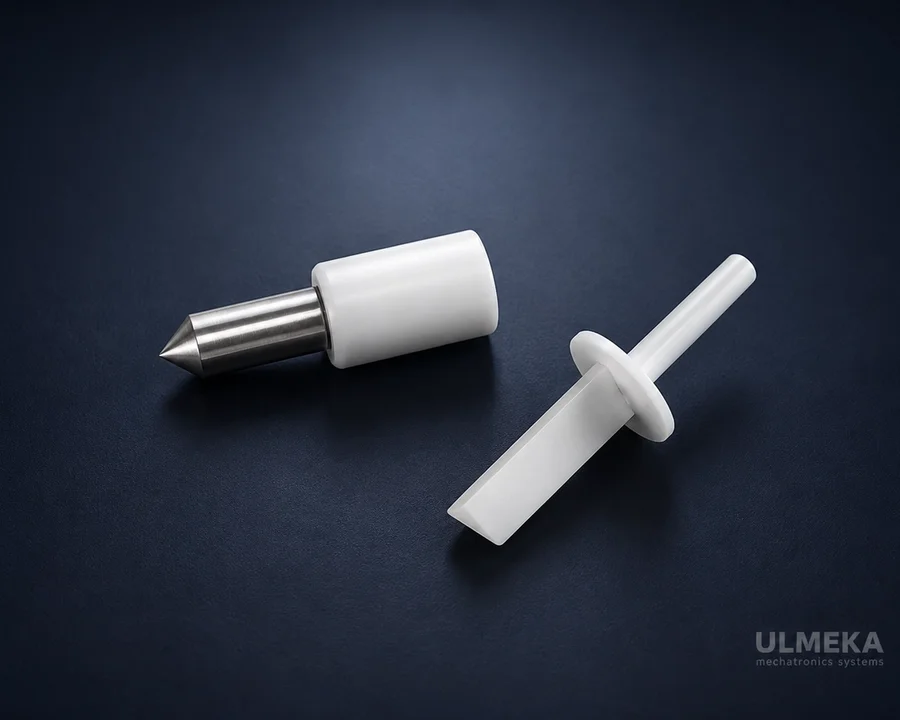
ULMEKA engineers test systems
to specification.
If your requirement is outside this catalogue — custom chamber sizes, combined-standard integration, or tailored test profiles — talk to our engineering team.